Start with what they actually do after the water is gone
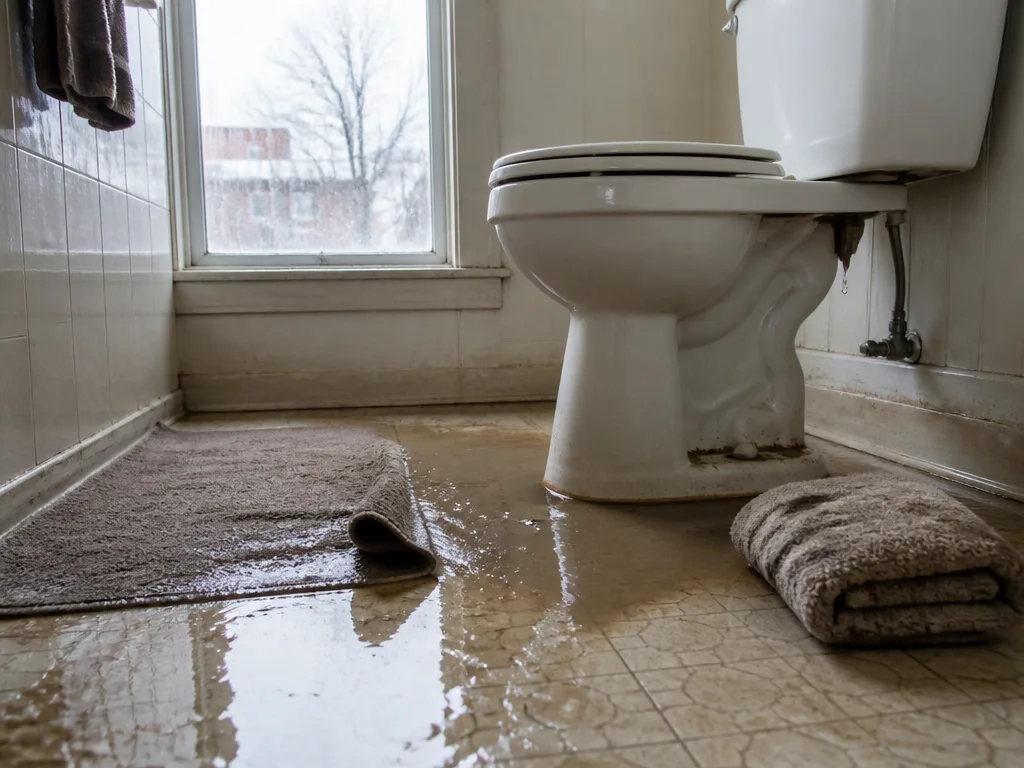
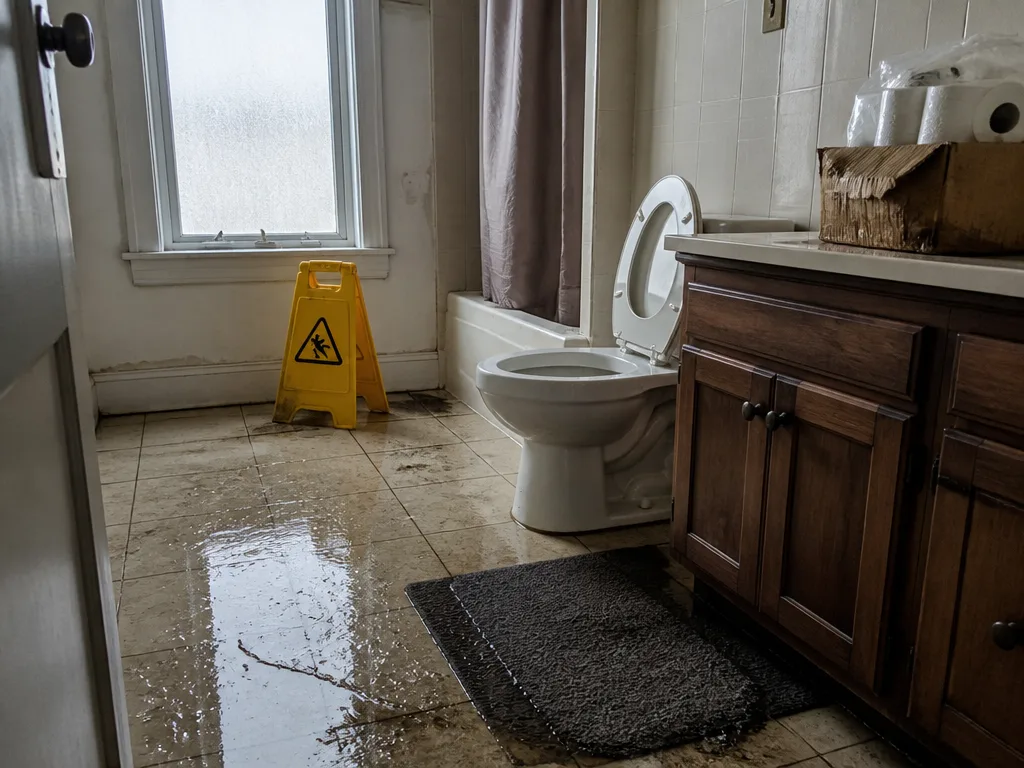
When a toilet overflows, most people focus on the mess in front of them. The water on the bathroom floor is obvious. What's less obvious is what happened underneath it. Water runs under subfloor, into the wall cavity, and sometimes down into the basement ceiling below. If you're in an older Buffalo rowhouse or a double on the East Side with plaster walls, that moisture can hang around for days.
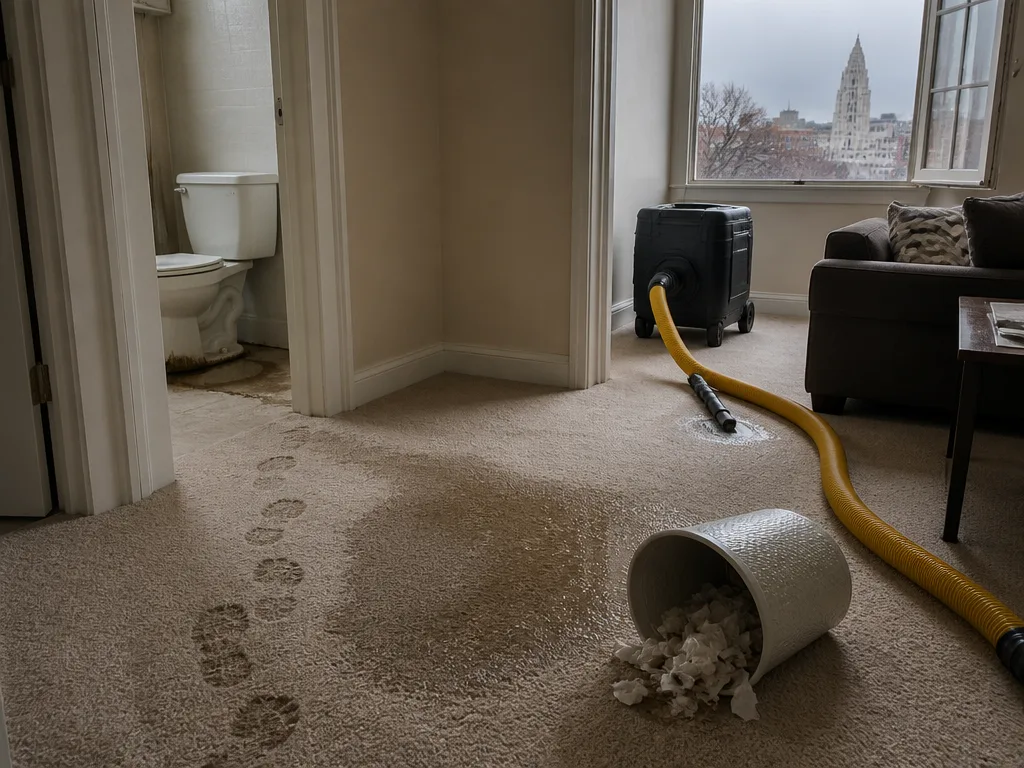
So the first question I'd ask any company is simple: what happens after the visible water is cleaned up? A good answer includes moisture readings, drying equipment, and a check of the areas you can't see. If the answer is "we mop it and you're good," keep looking.
Ask them to walk you through the steps in plain words. You should be able to repeat them back to your spouse or your neighbor without getting lost.
Ask who is actually coming to your house
Some companies sell the job over the phone and then send whoever is free. That's not always bad, but you deserve to know. Ask whether the restoration specialists on the job are employees or subcontractors, and how long they've been doing this kind of cleanup.
It's also fair to ask whether the same crew will be there from start to finish. Switching people halfway through a drying job means someone new has to figure out what the last person already noticed. Continuity matters more than most homeowners expect.
- Who will be on site the first day?
- Will the same restoration specialists come back for follow-up checks?
- Who do I call if something looks wrong the next morning?
Find out how they handle the sewage part
Toilet water is not regular water
A toilet overflow can carry waste, and that changes everything about how the cleanup should go. Clean water from a broken supply line is one job. Water that came out of a toilet bowl is another. The surfaces need to be treated differently, and anything porous that got soaked may need to come out.
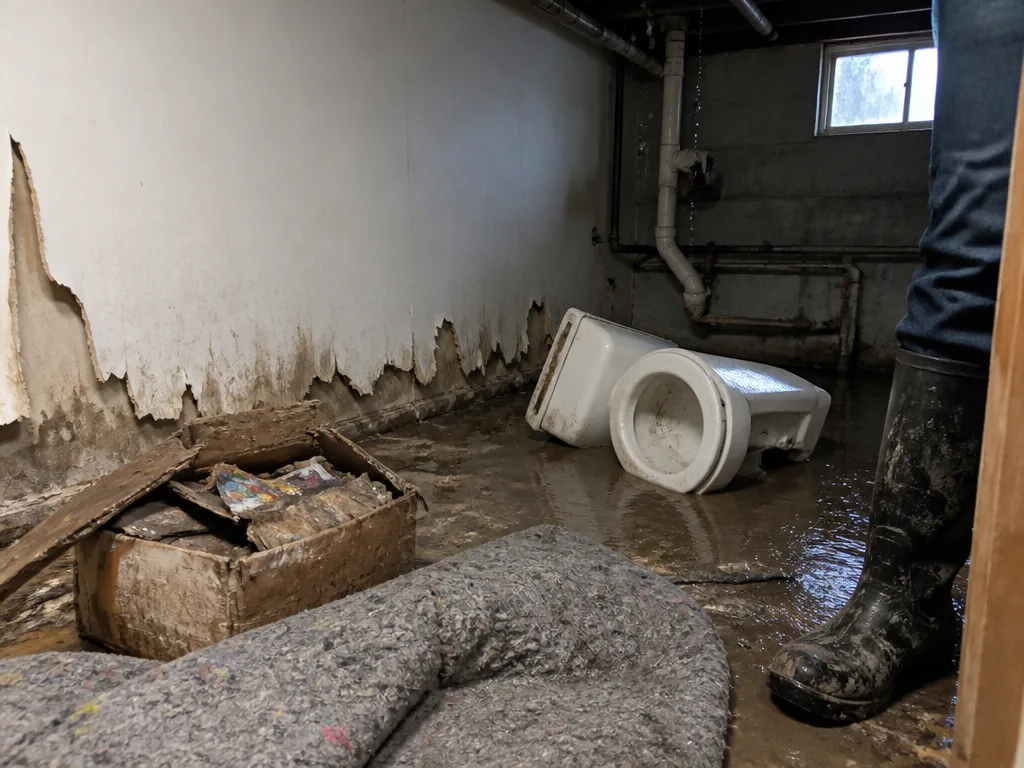
Ask what they do with carpet pad, drywall, and baseboards that have been in contact with the water. A company that says it will "clean and dry everything" without mentioning removal may be planning to leave contaminated material in place.
Ask about containment and disposal
Find out whether they isolate the work area so the bathroom doesn't spread moisture and odor into the rest of the house. Also ask where removed materials go. You don't need a lecture on landfill logistics, but you should hear a clear answer.
Get clear on scheduling and the phone call itself
Overflows rarely happen at convenient times. Ask how quickly they can get a crew out, and whether they can schedule within the same week if it isn't an immediate emergency. Be wary of anyone who gives you a specific arrival window they can't explain, or who makes promises about exactly when someone will show up. Honest companies talk in ranges and tell you what affects them, like weather, traffic on the 190, or how many jobs are already open.
When you call, pay attention to how the person on the phone handles questions. Do they listen? Do they explain terms without making you feel silly? You're going to be living with the outcome of this job for a while, so the phone conversation is a decent preview.
Ask how they will explain what they find
Once the cleanup starts, you'll want to know what's going on inside the walls and floor. Ask whether the restoration specialists will show you moisture readings, photos of hidden areas, and notes on what they plan to remove or keep. A company that is open about its process usually explains things without you needing to dig.
It's also reasonable to ask what happens if they discover a plumbing problem they didn't cause. Will they tell you, and will they point you toward a licensed plumber rather than trying to handle it themselves? You want a restoration company that stays in its lane and tells you the truth about what's beyond its scope.
Trust your read on the people, not just the pitch
Every company will say they're professional, fast, and thorough. Those words cost nothing. Instead, ask questions that require specifics. How much of the bathroom will they open up? Which materials are they most likely to remove? What signs would tell you the area is fully dry? A company that can answer those with confidence and detail is one that has done this many times.
If you're in Buffalo and dealing with an overflow right now, call Buffalo Toilet Overflow Cleanup and ask them these questions directly. Their answers will tell you more than any brochure. Take notes during the call, and compare what you hear from each company you talk to. The right fit usually becomes obvious once you've heard two or three honest answers side by side.