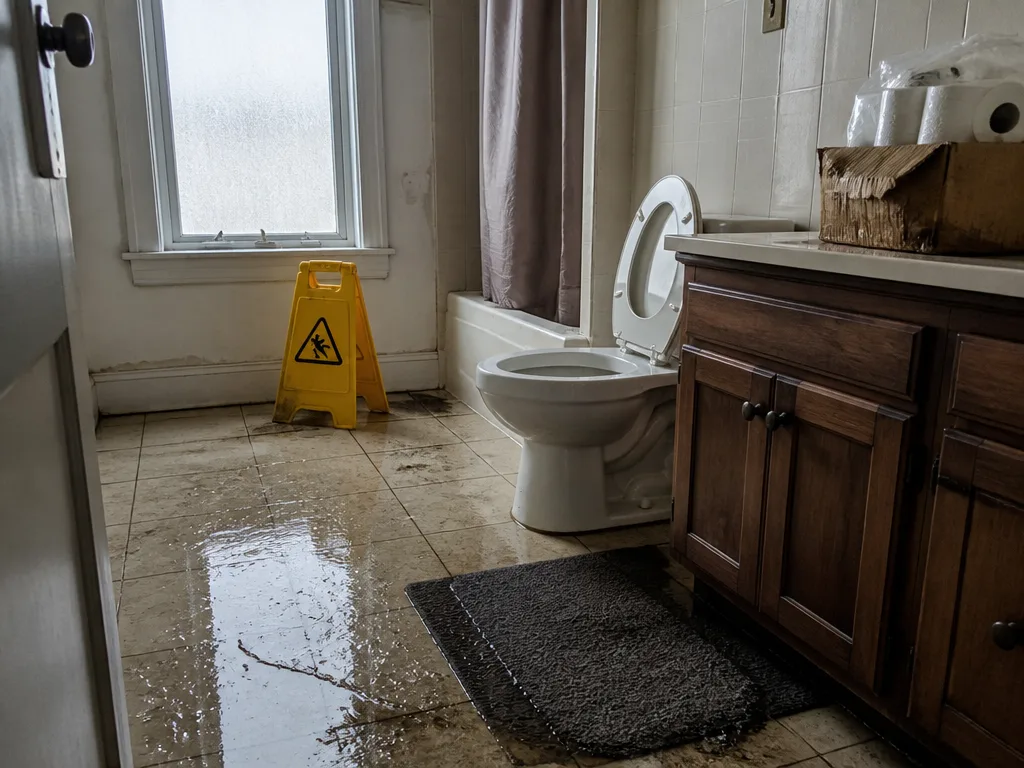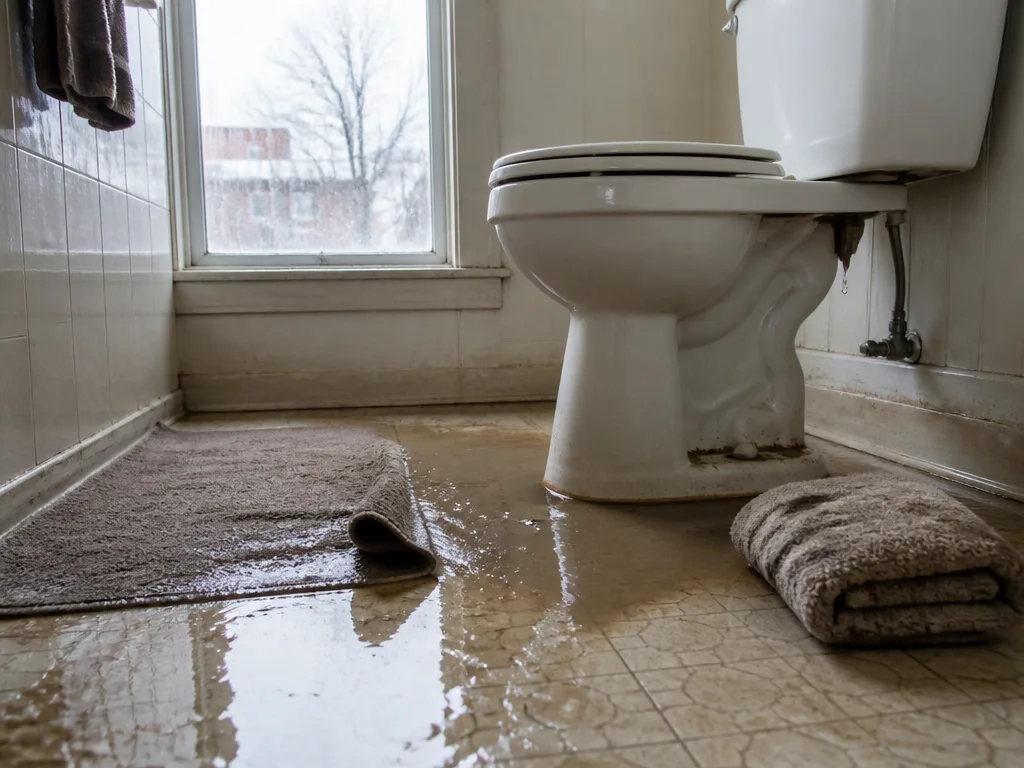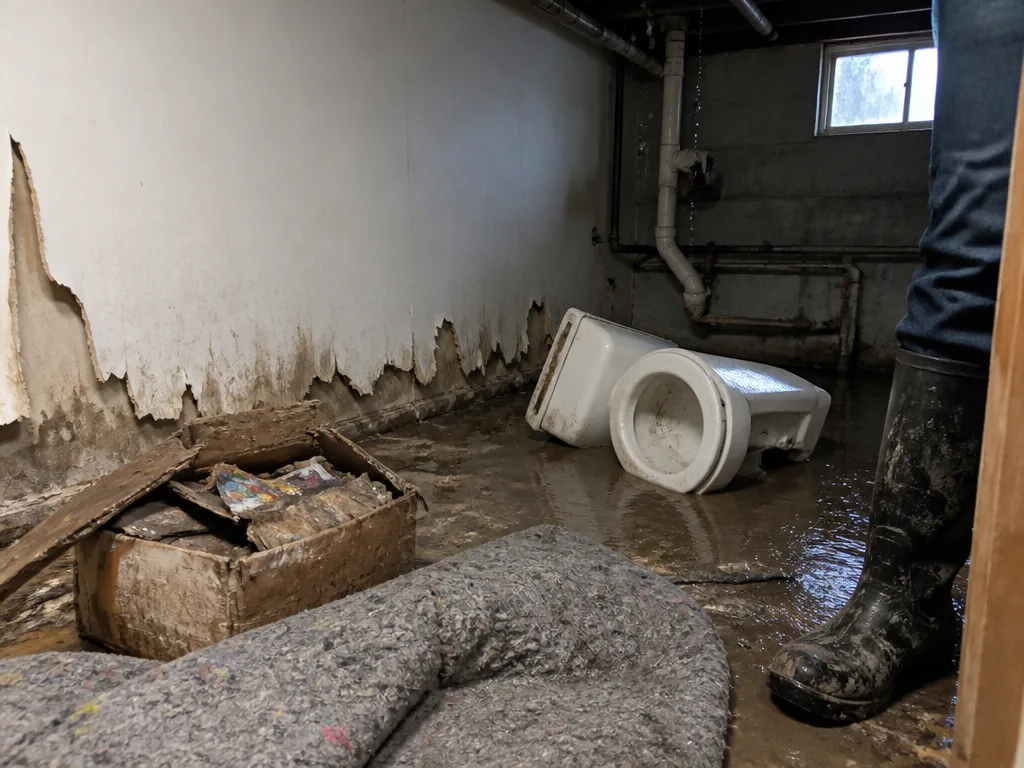
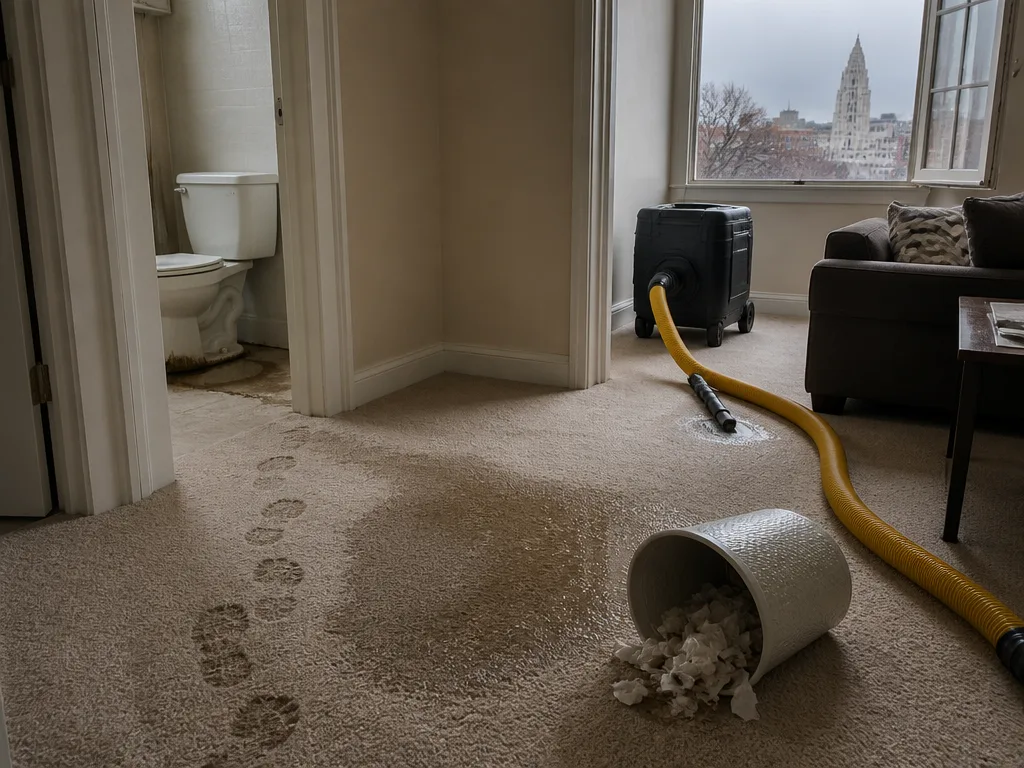
If you have ever come home to a toilet that overflowed into the bedroom or hallway, you already know the first hour feels like a blur. Towels everywhere, a wet sock smell, and the question nobody wants to ask out loud: how bad is this going to get? At Buffalo Toilet Overflow Cleanup, we hear that question every week from homeowners across the city, from the older houses on the East Side to newer builds out in Amherst. The honest answer is that the cost depends on a handful of things, and most of them are knowable before anyone opens a toolbox.
This post walks through the factors that push carpet water damage work up or down. We won't put numbers on it, because every home is different and a number without a look at the floor is just a guess. But once you understand what drives the job, it gets easier to make decisions and easier to tell what a crew is actually doing when they show up.
How fast the water gets out
Time matters more than almost anything else. Water sitting on carpet for twenty minutes soaks the surface fibers and starts moving down into the pad. Water left for a full day or two has usually reached the subfloor, and the work changes from cleaning a floor to drying a structure.
Shut off the water source first if you can, then start removing standing water with towels, a wet vac if you have one, or whatever you can grab. Don't walk around on wet carpet more than you have to, and try not to push water deeper into the pad by scrubbing it. Those first steps won't save everything, but they keep the affected area from growing.
It's also worth noting what happens in the first 48 hours. Carpet and pad that stay wet that long are at real risk of developing a musty smell and visible growth, especially in a Buffalo basement or a room with poor airflow. Once that happens, the work includes more removal and more cleaning, and that adds to the bill.
What the water was carrying
Not all overflow water is the same. A toilet overflow almost always carries waste, so the category matters. Clean water from a supply source is easier to deal with than water that has picked up contaminants, and the cleanup standards change depending on what the water touched on its way across the floor.
That changes the work in practical ways. Contaminated water usually means more of the carpet and pad gets pulled, because the material can't be saved once it has been soaked with waste. It also means more cleaning, more sanitizing of the subfloor, and more care with what gets reused. Restoration specialists will check the category when they inspect the area, and the plan follows from that.
The materials underneath
Carpet is only the top layer. The pad underneath soaks up water like a sponge, and in many cases it holds more moisture than the carpet itself. Pad is often the first thing that needs to come out, and it's cheap to replace compared with what it can cost to leave it in place and watch mold develop.
Below the pad is the subfloor. In a lot of Buffalo homes that means plywood or particleboard over joists. Plywood can often be dried and kept. Particleboard swells and breaks down when it gets wet, and once it's soft it usually has to be cut out and replaced. A subfloor that has to be replaced adds labor, material, and sometimes a second round of drying before anything new goes down.
Padding and carpet type matter too. A thick wool or a dense cut pile can hold water longer. Looped carpet on thin pad may dry faster but can still show a stain line that needs attention. The age of the carpet plays a role as well. Older carpet that was already worn or stained may not clean up the way a newer piece would, and that's a fact worth knowing before you decide what to keep.
How far the water traveled
Square footage is the obvious factor, but the path of the water matters just as much. A puddle that stayed in one corner of a bathroom is one kind of job. Water that ran under a door, across a hallway, and into a closet is another. Each room adds moisture readings, drying equipment, and time.
Water also finds its way under things. Baseboards, cabinet toe kicks, and the edges of tile or laminate can hide moisture that doesn't show on the surface. A good assessment looks past the obvious wet spot and checks the perimeter, because water that is trapped in a wall cavity or under flooring is what turns a two-day job into a week-long one.
- Standing water that stayed on the surface for under an hour
- Water that soaked the pad but not the subfloor
- Water that reached the subfloor or ran into adjoining rooms
- Water that got into wall cavities, cabinetry, or under flooring
Drying conditions in your home
Drying is not just about the machines. The air in the house affects how quickly everything dries. Buffalo winters bring cold, dry outdoor air, but the furnace running all day can make indoor air very dry, which helps. Humid summer days are harder. A damp basement with a cold concrete floor can slow everything down because the slab keeps pulling moisture back up.
The room itself matters. A bedroom with a closed door and no airflow dries slowly. A finished basement with a drain and a dehumidifier might dry faster than you'd expect. Restoration specialists take readings over several days to confirm the moisture is leaving the materials, and they adjust equipment based on what those readings show. Drying takes as long as it takes, and rushing it usually means something gets missed.
Access and the rest of the house
How easy it is to reach the work matters. Carpet in an open living room is simple. Carpet that runs under built-in shelving or a heavy dresser means furniture has to be moved, and that adds time. Homes with tight crawl spaces or basements full of stored items take longer to set up in.
Pets, kids' toys, and piles of laundry on the floor also slow things down. We're not trying to be fussy about it, but clearing the area before the crew arrives keeps the job moving. If you can, take photos of the room before anything gets moved, and keep anything you value out of the wet zone.
What you can do right now
If you're dealing with a toilet overflow on carpet today, here is a short list of things that help keep the job manageable. Stop the water at the source. Pull up what you can of the top layer of soaked towels or carpet edges without tearing anything apart. Turn on fans and open windows if the weather allows. Keep the door closed to the rest of the house if the water was contained to one room. Call a restoration specialist as soon as you can, because the first two days shape most of what comes next.
We can talk through what you're seeing over the phone and help you figure out the next step for your home in Buffalo. Call Buffalo Toilet Overflow Cleanup and describe the room, how long the water sat, and what the floor looks like. That gives our team a clear picture of which factors apply to your situation, and that's the most useful thing you can have before deciding what to do next.