Why Buffalo Homes Need a Season-by-Season Plan
Most of the housing stock in Buffalo went up around 1950, and about 65% of homes were built before 1960. That matters more than people think. Cast iron drain lines, old clay sewer laterals, and original wax seals were never designed for the kind of swings we get here. One February we see temperatures drop into the single digits, then a thaw brings rain by the weekend. Pipes and drains feel every bit of that.
FEMA's National Risk Index rates Erie County Very High for cold waves and winter storms, and Relatively High for inland flooding and ice storms. Those ratings are not abstract for a homeowner on the East Side or in Kenmore. They show up as frozen sewer lines, backed-up basement floor drains, and a toilet that gurgles at 2 a.m. after a big snowmelt.
Roughly 87% of Buffalo homes heat with natural gas, and only about 9% use electricity. That means most of us have a furnace running hard through the cold months, and a lot of heat escaping through basement walls. A cold basement is a reason to watch your drain lines more closely, not a footnote.
Winter: Protecting Drains From Freeze and Ice
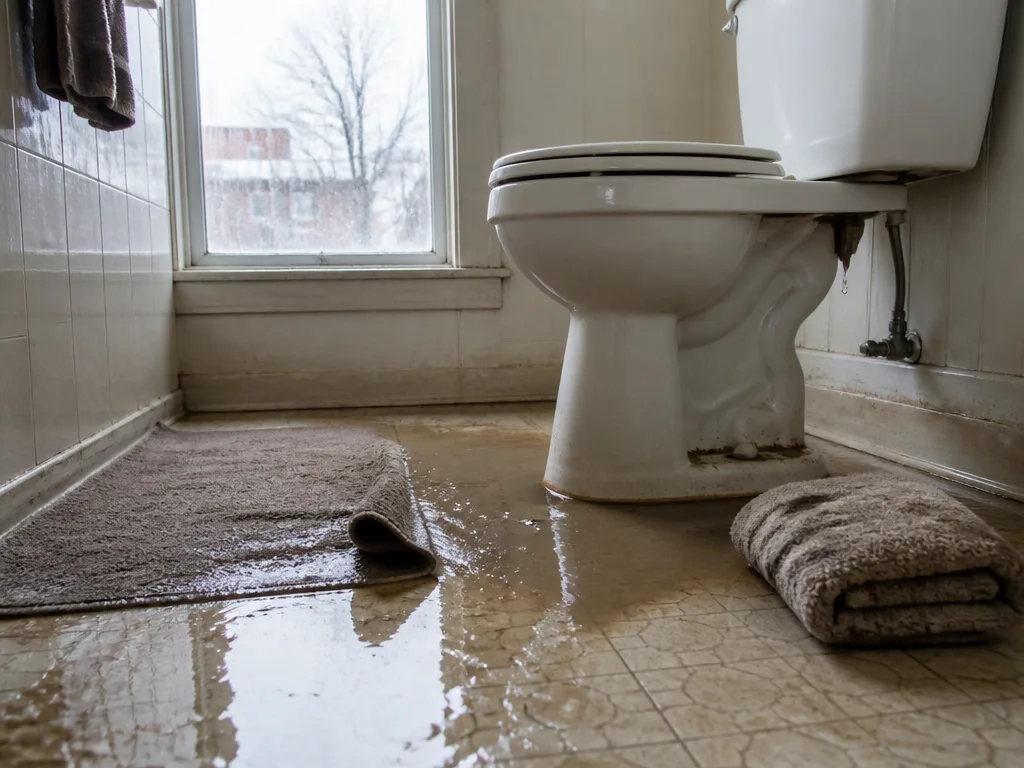
Winter is when most overflow calls come in for us. The usual pattern goes like this: snow piles against the foundation, the ground freezes hard, and the sewer line running out to the street gets a little colder every week. Water that used to move freely starts slowing down. Then someone flushes, the water has nowhere to go, and it comes back up the lowest fixture in the house.
A few things help. Keep the snow pushed back from your basement windows and cleanout access points so the area around them doesn't turn into a block of ice. If you have a floor drain in the basement, pour a bucket of warm water down it every couple of weeks in the coldest stretch so the trap doesn't dry out or freeze. Don't pour boiling water into cast iron, though. The thermal shock can crack the pipe.
Watch for early signs. Slow draining in one tub, a toilet that takes two flushes when it used to take one, or a faint sewer smell near the basement floor drain are all worth a call before the line fully plugs. Our crew sees these small symptoms turn into full overflows within a week or two of a deep freeze.
- Check the basement floor drain and the lowest toilet first after any hard freeze.
- Don't let snow drifts sit against the cleanout cap or the basement wall.
- Run water in rarely used sinks and tubs during long cold snaps to keep the lines moving.
Spring Thaw: When the Ground Gives Back Its Water
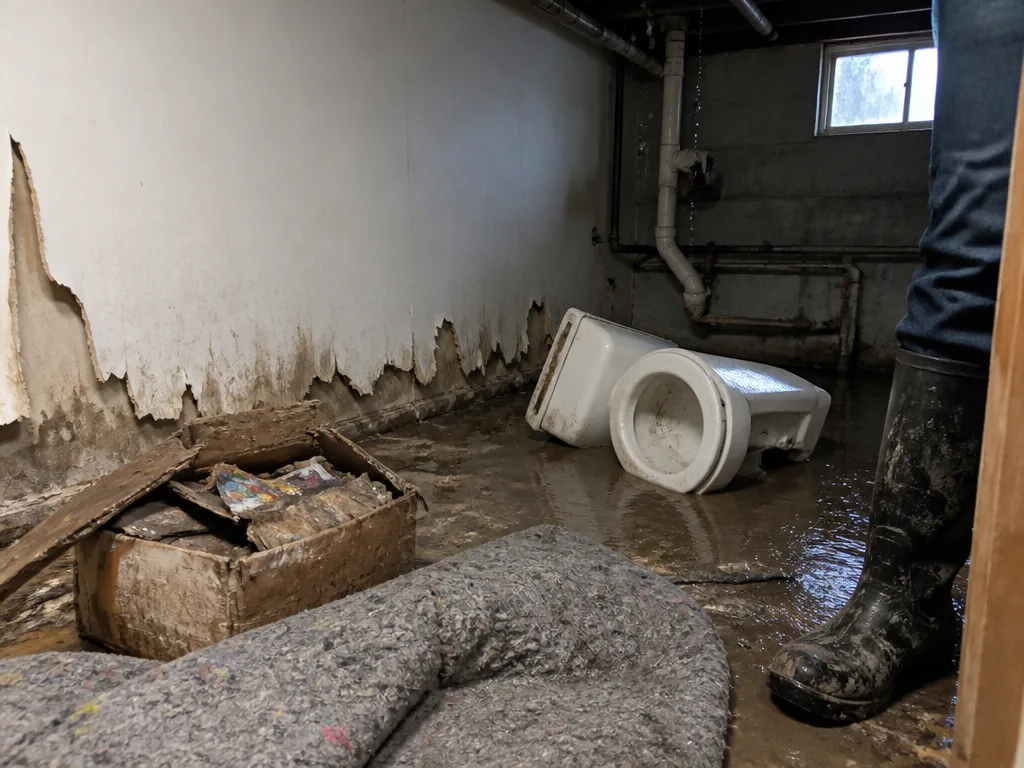
Spring in Buffalo is a flood season, and the flooding usually starts underground. When the frost goes out and a warm rain follows, the soil around the foundation swells with meltwater. Storm drains in neighborhoods from Elmwood to South Buffalo fill faster than they can drain. Sewer lines that are already tired take on more water than they should, and the first place it shows up is often a basement toilet or shower.
This is the season when older homes with clay laterals and cracked joints get into trouble. Roots that wintered quietly start pushing into the line. Sediment that settled over the winter gets stirred up. A single heavy storm can turn a slow drain into a standing mess on the basement floor.
Set a reminder for early April to test your basement toilet and floor drain. Run a few gallons of water through them and watch how fast it leaves. If it backs up, or if the water sits and gurgles, don't keep flushing to see if it clears. Each flush adds more water to a line that already can't take it.
Spring checks that take ten minutes
Walk the basement after the first warm rain and look for damp spots near floor drains and the base of the toilet. Check whether the wax ring under the toilet feels soft or rocks when you press on the bowl. Look at your sump pit if you have one, and make sure the discharge line runs away from the house rather than pooling beside it.
Summer Storms and Power Trouble
Summer doesn't feel like a plumbing season, but it has its own risks. NOAA logged 59 damaging-wind reports, 9 hail reports, 4 flood reports, and 4 tornado reports in Erie County between 2022 and 2024. Those numbers mean a lot of storms knocking out power, flooding streets, and sending debris into storm and sewer lines.
When a summer storm drops several inches of rain in an hour, the combined sewer system in parts of the city can get overwhelmed. Water comes back through the lowest drains in the house. If you have a basement toilet or floor drain, it may be the first place you notice trouble. Keep the area around basement window wells clear of leaves and mulch so water can drain away from the foundation.
Power matters too. If your home heats with natural gas but your sump pump or ejector pump runs on electricity, a long outage can leave basement water with nowhere to go. A battery backup for the sump is one of the more practical upgrades we talk about with homeowners in the spring. It's not glamorous, but it keeps a bad storm from turning into a basement full of standing water.
Fall: Getting Ready for the Cold Again
Fall is the best time to deal with the problems you noticed over the summer. Leaves are the big issue. They wash into gutters, pile up in window wells, and clog storm drains at the curb. Once snow arrives, those clogs freeze in place and the water has nowhere to go.
Clean your gutters and extend the downspouts at least a few feet from the foundation. Clear window wells. Check the basement floor drain and run water through it to confirm it moves freely. If you have an older home with a known slow line, this is the season to have it looked at before the ground freezes, not after.
Fall is also when we tell homeowners to think about their own household habits. Flushable wipes, grease poured down the kitchen sink, and paper towels all cause clogs that look like plumbing failures but come from the way the house gets used. Keep a small trash can near the bathroom and a jar for cooking grease. It's a simple change that cuts down on the calls we get in January.
When to Call Buffalo Toilet Overflow Cleanup
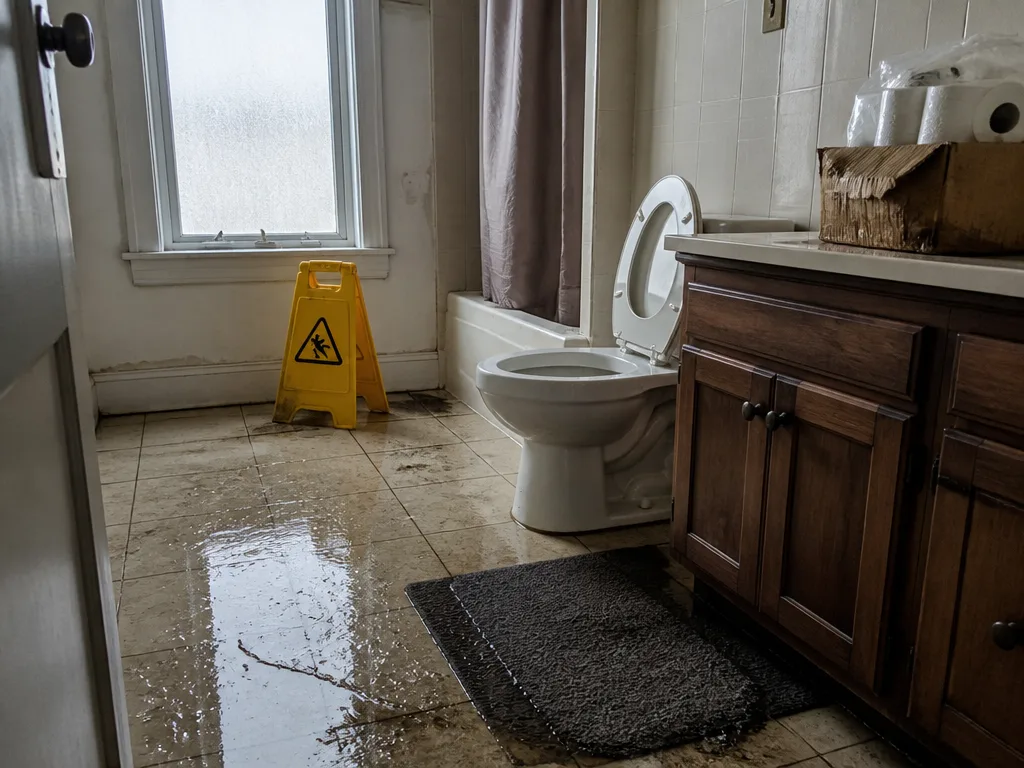
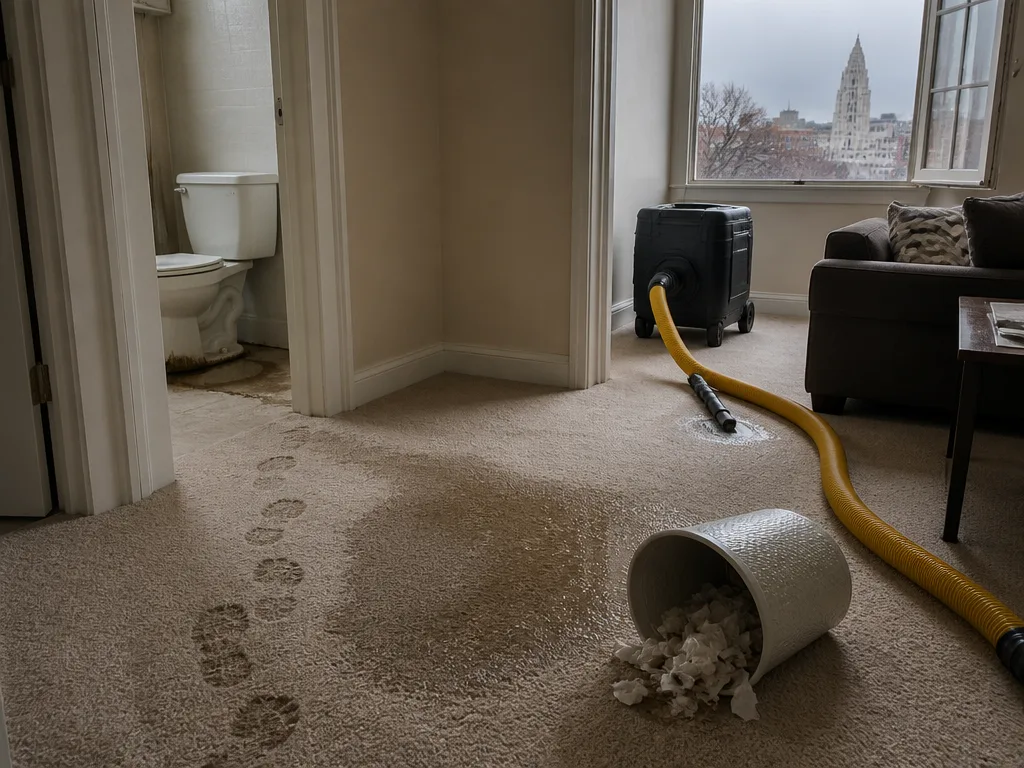
If water has already come up through a toilet or floor drain, the first step is to stop adding to it. Don't flush. Shut off the water supply to the toilet if you can reach the valve, and keep children and pets out of the wet area. Then call us. Buffalo Toilet Overflow Cleanup handles the cleanup side of these jobs, including getting standing water out, drying the area, and sorting out what the floor and walls can keep.
We take calls by phone. Tell us what you're seeing, which fixtures are involved, and whether the water is clear or dirty. That helps us plan the visit. If you're in Buffalo or the nearby cities we serve, call and we'll tell you how soon we can get a restoration specialist out to you this week.